
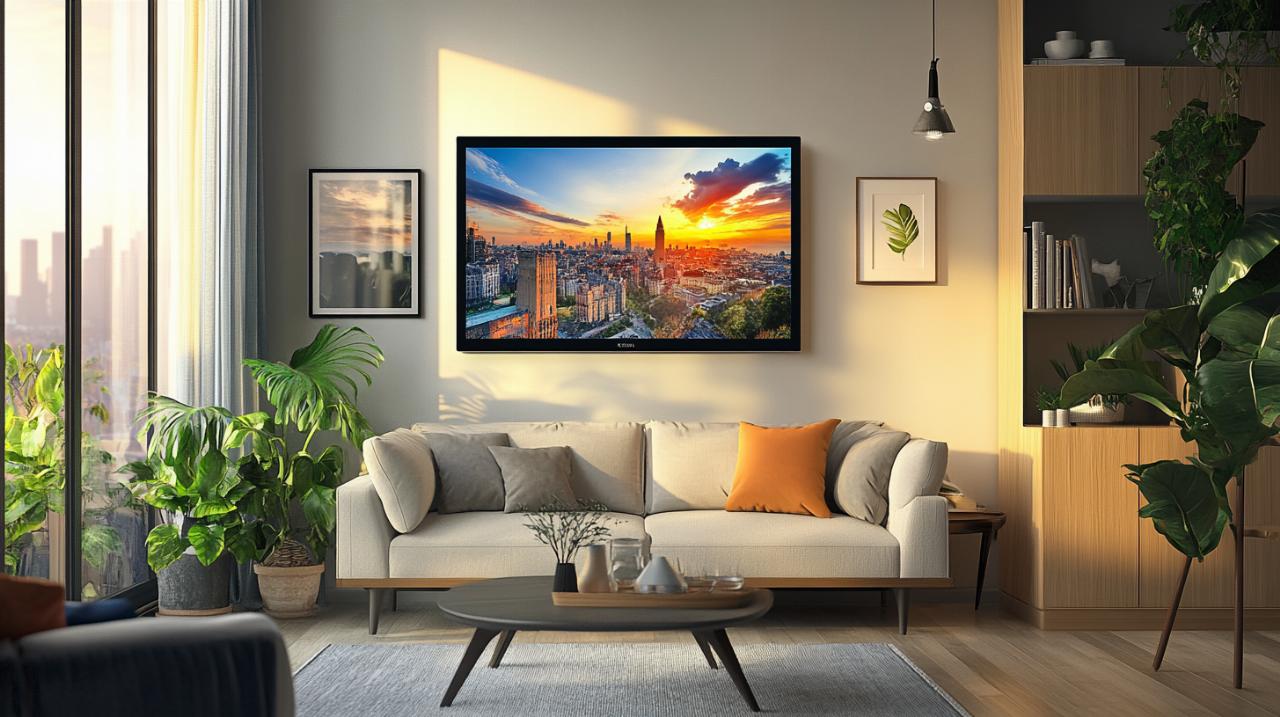
In an era where memories are captured digitally more than ever before, finding meaningful ways to display treasured photographs has become a priority for many households. Rather than relegating precious moments to the depths of a smartphone gallery or cloud storage, bringing these images into the physical environment through modern display technology offers a fresh approach to home styling. The ability to seamlessly rotate through countless images whilst complementing existing furnishings has transformed how people curate their living environments, making each room feel more personal and dynamic.
Transforming living spaces with modern digital displays
The contemporary home demands flexibility and sophistication in its decorative elements, and modern display technology delivers precisely this combination. When considering how to incorporate digital photo frames with Agfa Photo into your interior scheme, the transformation begins with understanding how these devices function as both technological tools and design objects. Unlike traditional static frames that display a single image indefinitely, these connected devices refresh your visual environment continuously, adapting to your mood, the season, or simply the passage of time. This constant evolution keeps spaces feeling fresh without requiring physical rearrangement or new purchases, making them particularly valuable for those who appreciate variety in their surroundings.
The integration of wireless connectivity and cloud storage capabilities means that updating the displayed content requires minimal effort, allowing homeowners to maintain current and relevant imagery throughout their property. Whether showcasing recent holiday snaps in the hallway or rotating through family portraits in the living room, the ease of remote photo sharing ensures that your home reflects your life as it unfolds. This technological convenience pairs beautifully with the aesthetic flexibility these devices offer, as many models now feature slim profiles and elegant finishes that suit a range of interior styles from minimalist Scandinavian to richly textured traditional schemes.
Selecting the Perfect Frame Size for Each Room
The physical dimensions of your display device significantly influence its impact within a space, and choosing appropriately scaled options for different areas ensures visual harmony throughout your home. Larger formats such as the fifteen-inch models work splendidly as focal points in spacious living areas or above console tables in entrance halls, where they command attention without overwhelming the surroundings. These substantial screens provide the viewing angles and screen brightness necessary to remain visible and engaging even in well-lit environments, making them suitable for rooms with large windows or multiple light sources.
Conversely, more compact options measuring around seven to ten inches prove ideal for intimate settings such as bedside tables, kitchen worktops, or office desks where space is at a premium. These smaller devices deliver personal connection without dominating surfaces that serve multiple functions throughout the day. When selecting between sizes, consider not only the available space but also the viewing distance typical for that location. A device positioned on a mantelpiece viewed from several metres away requires different dimensions than one placed on a nightstand intended for close-range viewing before sleep.
The aspect ratio of the screen also warrants consideration, particularly if you primarily capture images on modern smartphones which tend towards specific proportions. Ensuring compatibility between your photographic content and the display dimensions prevents awkward cropping or distracting black borders that can detract from the overall presentation. Many premium features now include intelligent cropping or collage mode options that automatically optimize how images fill the available screen real estate, maintaining visual appeal regardless of the original photograph dimensions.
Coordinating frame styles with your interior design
Beyond technical specifications, the physical appearance of your chosen device must complement your existing decorative scheme to achieve a cohesive look. Traditional wooden finishes in oak, walnut, or painted white suit classic interiors and period properties, allowing the technology to blend seamlessly with conventional picture frames and furniture pieces. These natural materials add warmth and texture whilst the internal display provides the technological functionality, creating a pleasing marriage of old and new aesthetics.
For contemporary spaces featuring clean lines and minimal ornamentation, sleek designs with slim bezels and modern finishes like brushed aluminium or matte black prove more appropriate. These understated options allow the displayed imagery to take centre stage whilst the frame itself recedes into the background, maintaining the uncluttered aesthetic that characterises modern design. Some manufacturers now offer wall-mounted frames with such slim profiles that they appear to float against the wall, creating an almost gallery-like presentation that elevates everyday photographs to the status of curated art.
The emerging E Ink technology presents an intriguing alternative for those seeking something truly distinctive. These displays mimic the appearance of actual photographs printed on paper, offering exceptional viewing in bright light without the glossy reflections common to traditional LCD screens. The paper-like quality makes them particularly suitable for traditionally styled rooms where the presence of overtly digital devices might feel incongruous, allowing technology to integrate invisibly into heritage or vintage-inspired schemes. Though these options typically command higher prices and lack video playback capabilities, their unique aesthetic and battery powered operation enabling cordless mounting make them worthy considerations for specific applications.
Maximising the Impact of Your Digital Photo Frame Collection
Once you have selected and positioned appropriate devices throughout your home, the true creative opportunity lies in how you populate and manage the content they display. The difference between a device that merely cycles through random images and one that genuinely enhances your living environment comes down to thoughtful curation and intelligent use of available features. Understanding the capabilities of modern platforms and applications enables you to create truly personalised experiences that respond to different times, occasions, and emotional needs.
Creating dynamic photo rotations for different moods
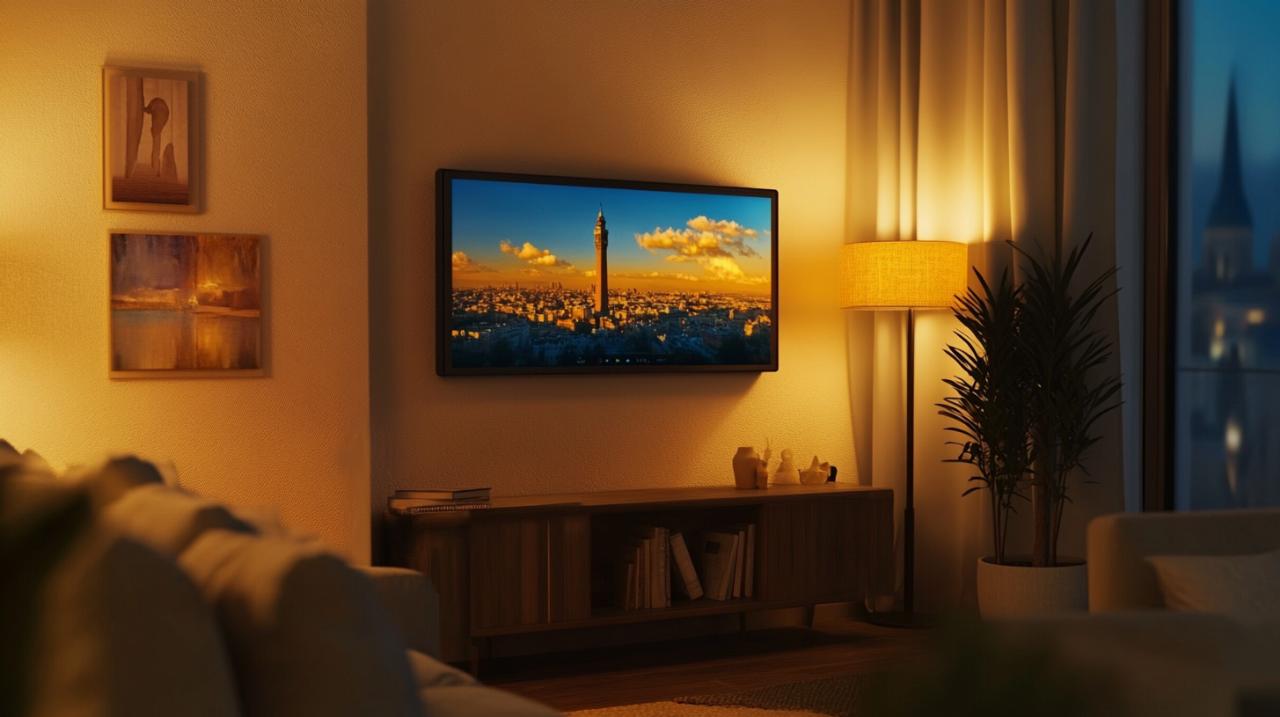
The most sophisticated approach to content management involves creating themed collections that can be activated according to context or desire. Rather than simply loading every photograph you have ever taken onto a device and allowing random rotation, consider organising images into distinct galleries that serve specific purposes. A collection of calming natural landscapes might provide the perfect backdrop for a home office or meditation space, whilst vibrant party photographs and celebratory moments could be reserved for social areas where guests gather.
Seasonal rotation offers another engaging approach, with imagery changing to reflect the time of year. Spring photographs featuring blossoms and fresh growth give way to summer beach scenes, autumn colours, and eventually winter festivities, creating a visual calendar that connects your interior environment to the world outside. This cyclical approach keeps your home feeling current and attuned to natural rhythms, preventing the visual staleness that can occur when decorative elements remain static for extended periods.
For those with elderly relatives living independently, the ability to share memories remotely through these devices provides both practical benefits and emotional support. Family members can upload recent photographs from afar, ensuring that grandparents or other older loved ones remain connected to family activities even when physical visits are not possible. This real-time updates capability transforms the device from mere decoration into a vital communication tool that reduces feelings of isolation whilst providing conversation starters during telephone calls or video chats.
The slideshow transitions available on most devices deserve attention as well, as the method by which images change significantly affects the viewing experience. Gentle fades create a calm, contemplative atmosphere suitable for relaxation spaces, whilst more dynamic transitions might enliven social areas. Experimenting with display duration also allows you to control the pace of your visual environment, with slower changes encouraging contemplation of individual images and faster rotations providing constantly refreshing variety.
Integrating smart features into your home aesthetic
Modern devices increasingly offer capabilities that extend beyond simple photo display, and incorporating these functions thoughtfully can enhance both utility and aesthetic appeal. Calendar integration transforms a decorative object into a functional household tool, displaying upcoming appointments and family schedules alongside treasured photographs. This dual-purpose approach proves particularly valuable in high-traffic areas like kitchens or hallways where family members naturally gather to coordinate activities.
The Frameo application and similar platforms have democratised the process of sharing images with devices, eliminating technical barriers that previously made such technology intimidating for less digitally confident users. The user-friendly interface of these systems means that even those uncomfortable with technology can receive and enjoy photographs shared by family members, making these devices genuinely accessible across generations. The fact that basic functionality often requires no subscription services further enhances their appeal, though premium features may require ongoing payments for those desiring advanced capabilities.
Connectivity options deserve consideration when planning your setup, as the balance between wireless connectivity and local storage affects both convenience and privacy. WiFi enabled devices offer the easiest updating process, allowing instant uploads from anywhere in the world via mobile applications. However, those concerned about cloud storage and data privacy might prefer models with SD card compatibility or USB connectivity, enabling updates via physical media that never leave your control. Many current offerings provide multiple options, allowing users to choose their preferred method according to their comfort level and technical preferences.
Internal storage capacity has expanded dramatically in recent years, with some devices now accommodating over forty thousand images and videos within their memory. This substantial capacity means you can maintain extensive libraries without frequently managing or deleting content, allowing truly comprehensive family archives to remain accessible. For those who value unlimited storage without the complexity of managing physical media, cloud-based solutions provide limitless capacity accessed through simple applications, though this convenience requires ongoing internet connectivity and typically involves sharing data with third-party providers.
The emergence of AI enhancement features represents the latest evolution in this category, with some devices now offering automatic improvement of uploaded images. Whilst the effectiveness of these algorithms varies, they can prove useful for older photographs that lack the resolution and colour accuracy of modern captures. However, users should experiment with these features rather than applying them universally, as the results can sometimes appear artificial or overly processed, detracting from the authentic character of treasured memories.
As these devices continue to evolve, their role within the home expands beyond simple nostalgia into active participation in daily life. Whether serving as a morning command centre displaying weather and schedules, a professional portfolio for creative workers, or simply a beautiful window into cherished moments, the versatility of contemporary offerings ensures that there exists an option suited to virtually any household need and decorative preference. By selecting appropriate sizes, styles, and features whilst thoughtfully curating the displayed content, anyone can transform their living space into a dynamic, personalised environment that celebrates what matters most.