
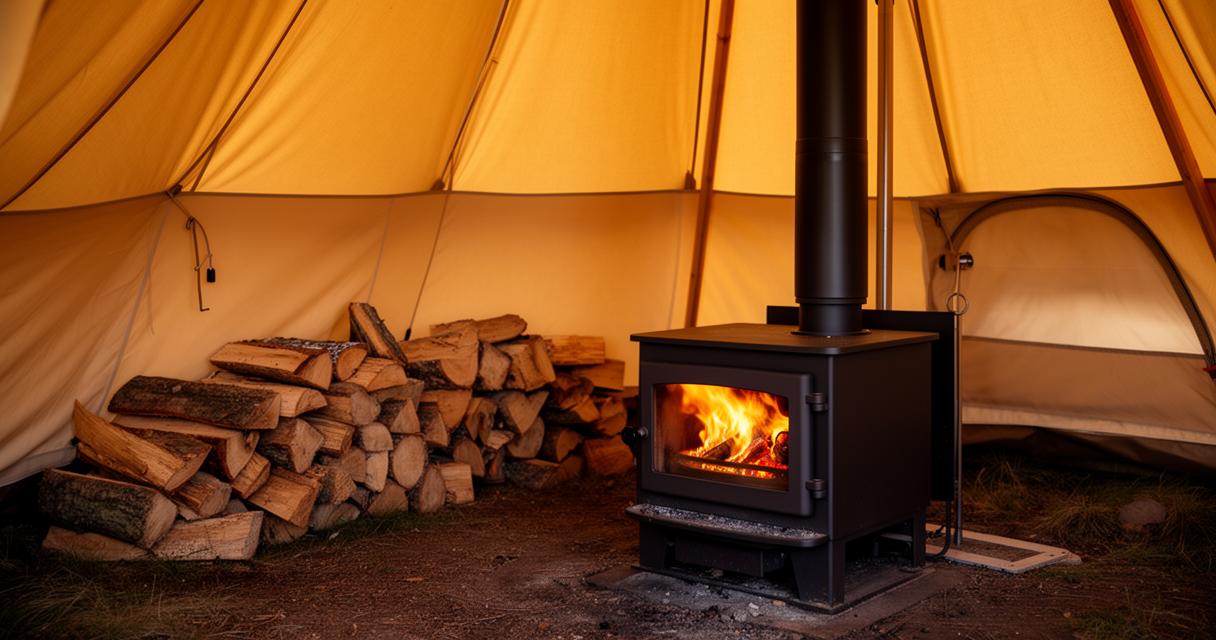
For those who embrace the adventure of camping under canvas, particularly during cooler months or in wilderness settings, maintaining warmth and comfort becomes a priority. A wood stove designed for use in tents has become an essential piece of kit for many outdoor enthusiasts, transforming a simple camping trip into a cosy retreat. Whether you are drawn to the charm of glamping or the rugged appeal of overland camping, understanding what to look for in a tent stove and recognising safer alternatives can make all the difference to your experience.
Essential Features to Consider When Selecting a Wood Stove for Camping
When embarking on the search for the ideal wood stove for your canvas shelter, several critical factors come into play. The right choice depends on your specific camping style, whether that involves festival camping, family camping, overland camping, wilderness camping, or the more luxurious glamping. Each setting presents unique demands, and your stove must be capable of meeting them efficiently and safely.
Portability and Weight: Finding the Right Balance for Transport
One of the most significant considerations when choosing a wood stove for camping is how easy it is to carry and set up. A stove that is too heavy or cumbersome can quickly become a burden, especially if you are travelling to remote locations or moving between campsites frequently. Portability is key, and striking the right balance between a stove that is light enough to transport yet robust enough to deliver reliable heat output is essential. Many modern camping stoves are designed with compact dimensions and collapsible components, making them easier to pack alongside other camping gear and accessories. This is particularly important for those engaged in overland camping or wilderness camping, where every kilogram counts and space is at a premium. Even if you are setting up for a longer stay, such as at a glamping site or within a large event tent, ensuring that your stove is manageable during setup and takedown will contribute to a more enjoyable experience. The goal is to find a model that does not compromise on performance while remaining practical for your specific needs.
Material Quality: Stainless Steel vs Cast Iron for Durability and Heat Efficiency
The materials from which a tent stove is constructed play a vital role in determining its longevity and efficiency. Stainless steel and cast iron are the most common options, each with distinct advantages. Stainless steel is prized for its resistance to rust and corrosion, making it an excellent choice for those camping in wet rainy locations or hot humid climates where moisture can be a concern. It is also lighter than cast iron, which enhances portability. On the other hand, cast iron offers superior heat retention and distribution, ensuring that your canvas tent remains warm for longer periods even after the fire has died down. This can be particularly beneficial in snowy climates or dry rocky climates where temperatures can plummet rapidly. Some advanced models also incorporate titanium or sheet steel, which further reduce weight while maintaining structural integrity. The choice of material will directly impact fuel efficiency and heat output, so it is worth considering the typical environments in which you camp. Durability is another crucial aspect, as a well-made stove will serve you reliably over many seasons, contributing to a lower total cost of ownership despite a potentially higher initial investment.
Understanding Different Types of Tent Stoves and Their Applications
The market offers a diverse range of tent stoves, each designed to cater to different camping scenarios and preferences. Understanding the types available and their specific applications will help you make an informed decision that aligns with your camping aspirations.
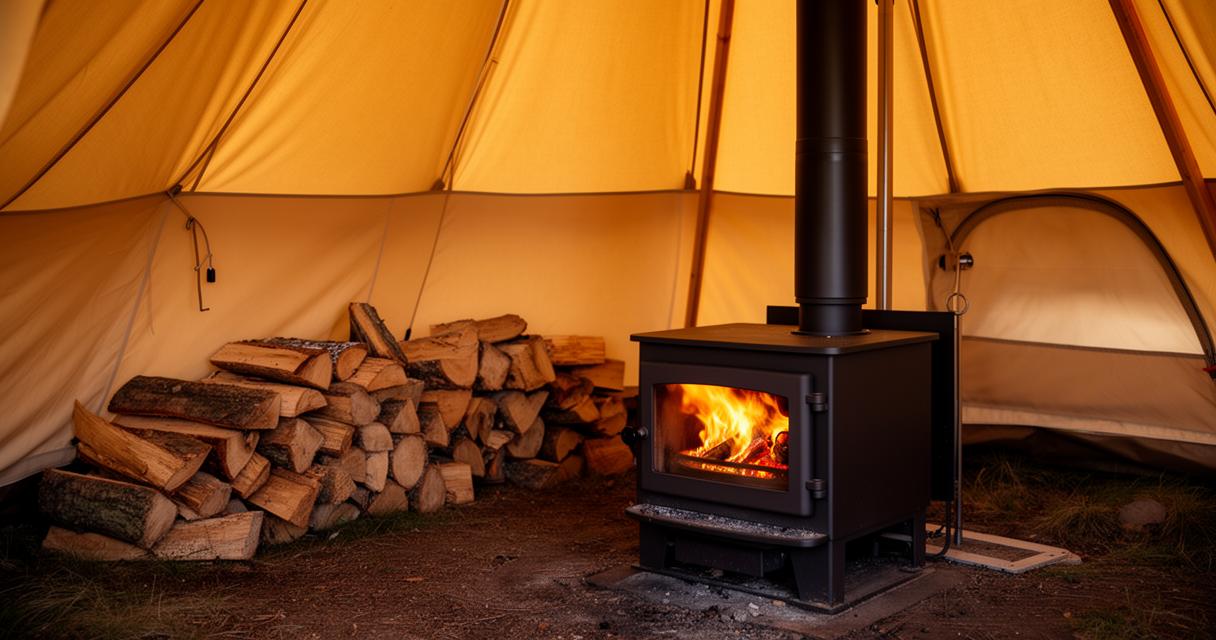
Chimney-equipped models: reducing smoke whilst maximising warmth
A tent stove equipped with a chimney, or flue pipe, is highly recommended for use within canvas tents such as bell tents and wall tents. The chimney serves the essential function of venting smoke and gases outside the tent, thereby reducing the risk of smoke inhalation and maintaining a comfortable interior environment. The flue pipe is typically designed to pass through a stove jack, which is a reinforced opening in the canvas that allows the pipe to exit safely without damaging the fabric. Many models also feature a spark arrestor, which prevents sparks from escaping and potentially igniting surrounding materials, adding an extra layer of safety. The damper, another key component, allows you to control the airflow and, consequently, the intensity of the fire and heat output. By adjusting the damper, you can optimise fuel efficiency and maintain a steady temperature inside your tent. These chimney-equipped models are particularly well-suited for those who camp in snowy climates or wet rainy locations, where maintaining a warm and dry shelter is paramount. They are also popular among glamping enthusiasts who seek the ambiance and functionality of a real fire without compromising on comfort or safety.
Specialist Stoves for Glamping and Canvas Tent Heating
For those who prefer a more refined camping experience, specialist stoves designed specifically for glamping and canvas tent heating offer additional features and enhanced performance. These stoves often include integrated cooking surfaces, allowing you to prepare meals whilst simultaneously heating your tent. Some models, such as the Winnerwell Woodlander and the Woodlander Pizza Oven Stove, combine heating and cooking capabilities, transforming your canvas shelter into a versatile outdoor kitchen. Such stoves are ideal for family camping or large event tents, where the ability to cook and warm the space simultaneously is a significant advantage. The materials used in these specialist models, such as high-grade stainless steel or titanium, ensure that they are both durable and efficient, capable of withstanding prolonged use across various climate categories. Proper installation and maintenance are essential for safe operation, and regular cleaning to prevent creosote buildup is strongly recommended. Using a carbon monoxide detector inside your tent is also advised to ensure that harmful gases do not accumulate. These specialist stoves represent a considerable investment, but their performance and versatility make them a worthwhile addition to your camping gear, especially if you camp frequently or for extended periods.
Enhancing Your Camping Experience with Stove Accessories and Safety Considerations
Once you have selected the right wood stove for your canvas shelter, enhancing its performance and ensuring safe operation become the next priorities. A range of accessories and safety measures can help you get the most out of your tent stove while minimising risks.
Must-have accessories to optimise your wood stove's performance
Investing in quality accessories can significantly improve the functionality and efficiency of your tent stove. A comprehensive stove kit, which typically includes essential components such as flue pipes, stove jacks, dampers, and spark arrestors, ensures that you have everything needed for a safe and effective setup. Double-walled stove pipes are particularly recommended, as they reduce the risk of burns and help maintain a safer temperature on the exterior surface of the pipe. Additional accessories such as ash pans, fire-resistant gloves, and protective mats can further enhance your camping experience by making stove operation cleaner and more convenient. For those who camp in challenging environments, such as hot humid climates or dry rocky climates, these accessories can also help protect your tent and surrounding gear from heat damage. Regular maintenance is crucial, and having the right tools for cleaning and inspecting your stove will prolong its lifespan and ensure consistent performance. Canvas care products, including cleaners, stain removers, waterproofers, and repair patches, are also valuable for maintaining the integrity of your tent, particularly around the stove jack area where heat and smoke exposure can cause wear over time. By taking these steps, you can enjoy the warmth and ambiance of a wood stove while safeguarding your canvas shelter and ensuring a comfortable camping environment.
Exploring safer heating alternatives for your canvas shelter
While wood stoves are a popular choice for heating canvas tents, it is important to acknowledge that they are not suitable for every situation. Compact tents, such as the Sibley 300, are generally not recommended for stove use due to space constraints and safety concerns. In such cases, exploring safer heating alternatives becomes essential. Electric heaters, propane heaters, and battery-powered heating devices offer convenient and less risky options, particularly for those camping in locations with access to power or where open flames are restricted. These alternatives eliminate the need for managing a live fire and reduce the risk of carbon monoxide poisoning or accidental burns. However, they may not provide the same level of ambiance or cooking capability as a wood stove. It is also worth noting that using any heating device in a tent requires careful attention to ventilation and safety protocols. Keeping stoves at least one metre away from tent walls, ensuring adequate airflow, and using a carbon monoxide detector are fundamental practices regardless of the heating method chosen. Companies with extensive experience in supplying camping gear and accessories, operating in over one hundred countries and with local offices worldwide, often provide detailed guidance and multilingual support to help customers select the most appropriate heating solution for their needs. With fast worldwide delivery and a wide range of products, from bell tents and wall tents to various camping accessories and canvas care products, finding the right balance between warmth, safety, and convenience has never been more accessible for campers of all levels.